Dear *{{Informal Name}}*, 

Thank you for signing up for our twinning emails. My hope is that these will be informative as well as fun.  Over the next few months, I am going to walk you through the Twinning process, introduce you to our "Twin" and update you on our progress. If you have any questions about the program, please feel free to reach out to me at admin@hacacares.com. All of our past emails will be archived on our website. 

 
Decorative transition element with arrow in center pointing down.
 

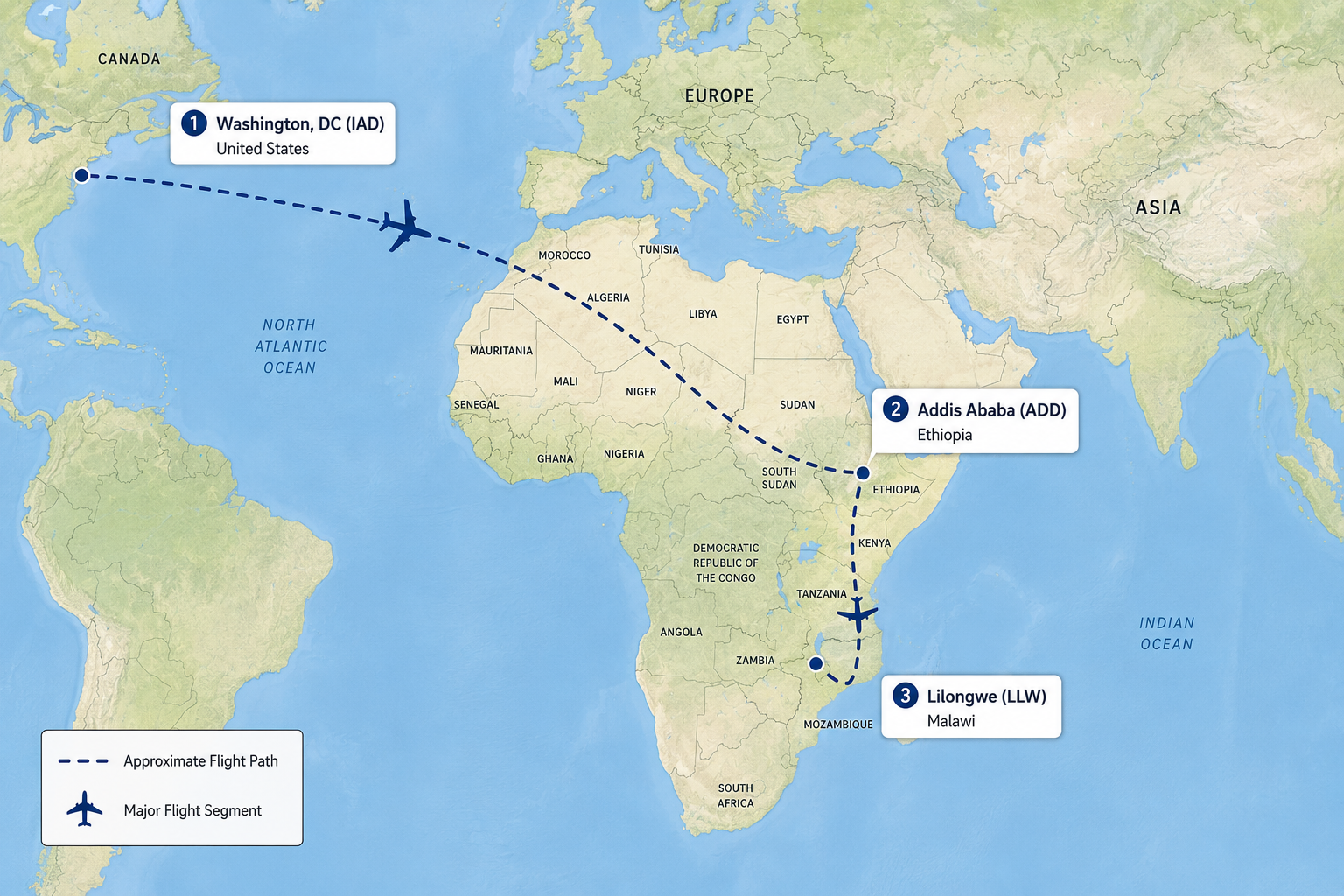
Where are we going?

On Aug. 30th Robin and Kate are leaving on a 22 hour flight to meet with the members of SHAD in Lilongwe, the Capital of Malawi. Founded as a local administrative center in the early 1900s, Lilongwe grew into a key agricultural trading hub due to its central location. It officially became Malawi's capital in 1975, replacing Zomba, with major 1970s–1980s infrastructure projects driving its ongoing rapid population growth

The Country of Malawi

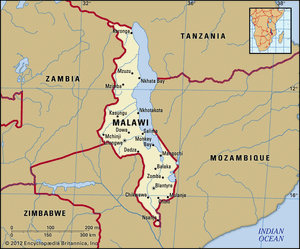
Malawi is a landlocked country in Southeast Africa bordered by Zambia, Tanzania, and Mozambique, with Lilongwe as its capital and largest city. Settled by indigenous groups and later Bantu kingdoms like the Maravi Empire, the area fell under British control in the late 19th century as the protectorate of Nyasaland. The country achieved independence in 1964 under Hastings Banda, who governed as president-for-life during a nearly three-decade single-party dictatorship. Since adopting a multi-party system in 1993, Malawi has established a democratic, presidential republic characterized by peaceful political transitions and active diplomatic participation in international organizations.

Socioeconomically, Malawi remains one of the world's least developed countries, with an economy anchored by agriculture—particularly tobacco, tea, and sugar exports—which engages over 80% of its largely rural population. The nation faces persistent challenges, including high poverty rates, reliance on foreign aid, vulnerability to environmental disasters, and public health concerns like HIV/AIDS. Despite these hurdles, Malawi continues to invest a significant percentage of its GDP in science and technology research, expand its infrastructure, and preserve rich natural resources, including Lake Malawi and diverse wildlife reserves. (For more information go here)


What's Next?

In our next email we will take a look at what we will expect to learn during our meeting when we go to Malawi!

Our Contact Information
*{{Organization Name}}*
*{{Organization Address}}*
*{{Organization Phone}}*
*{{Organization Website}}*

Logo Graphic

You are being sent this email because you are a subscriber.
If you wish to update your Email Preferences or Unsubscribe, click *{{Unsubscribe}}*